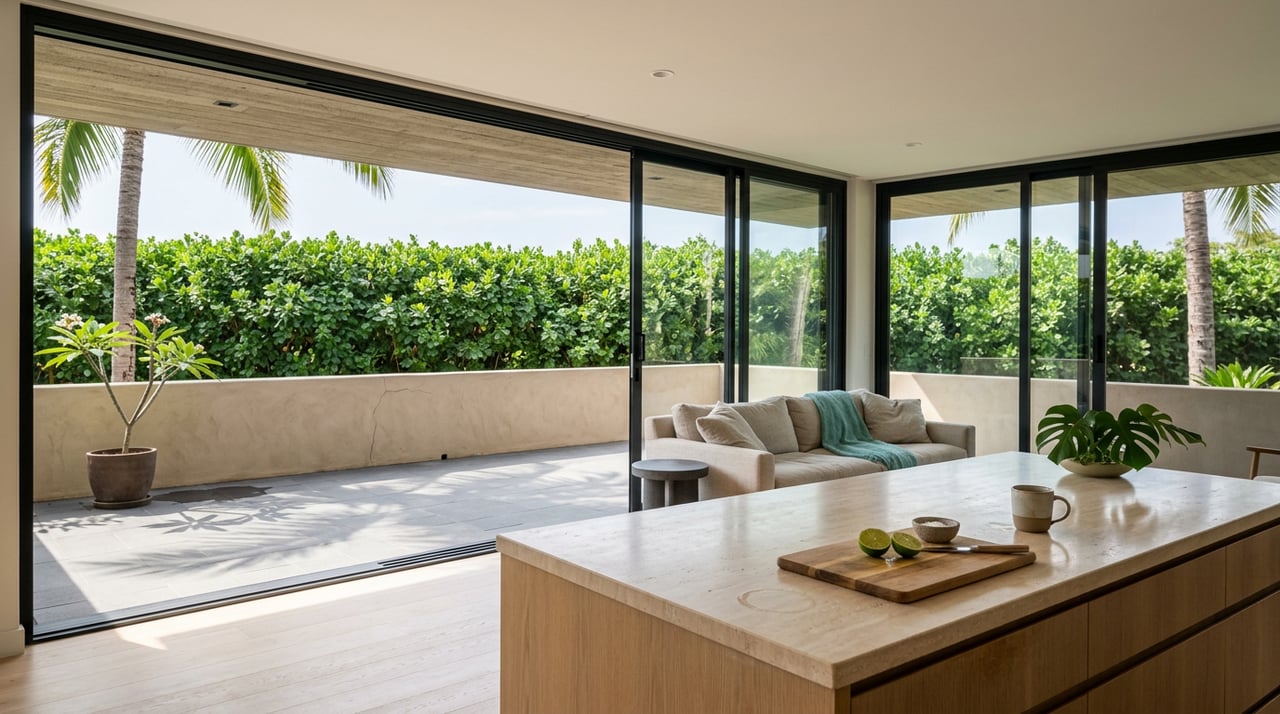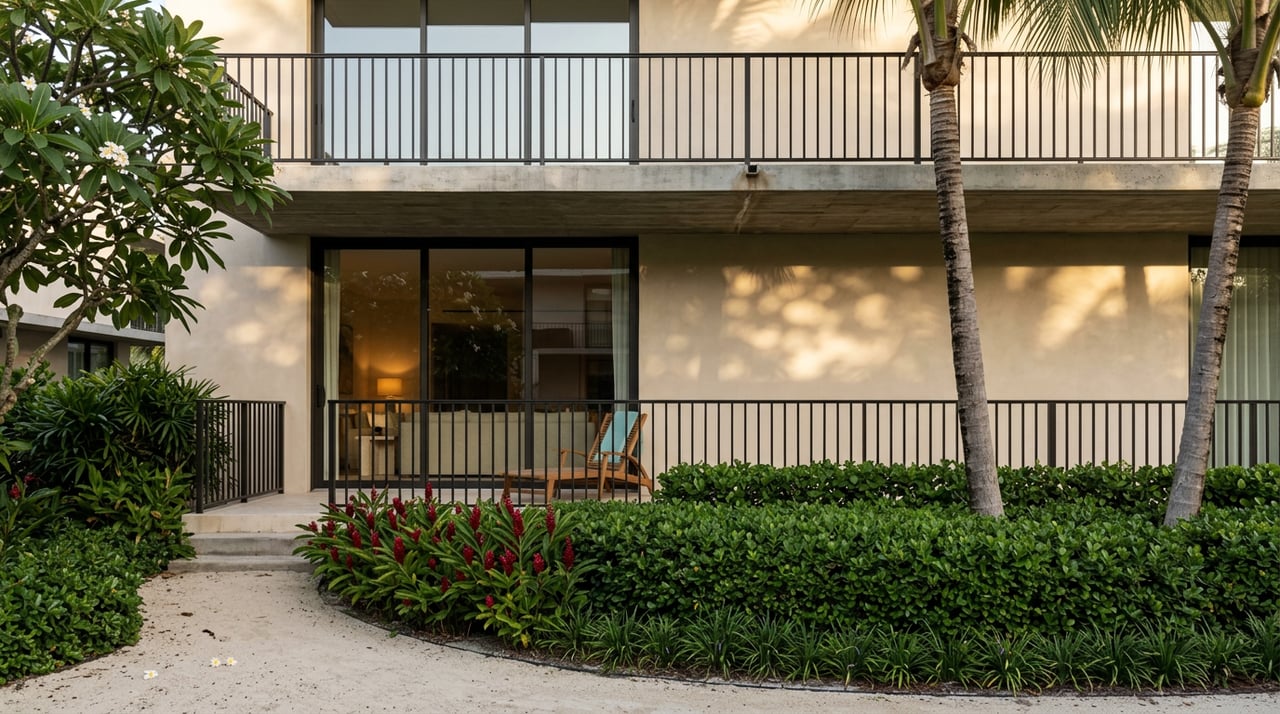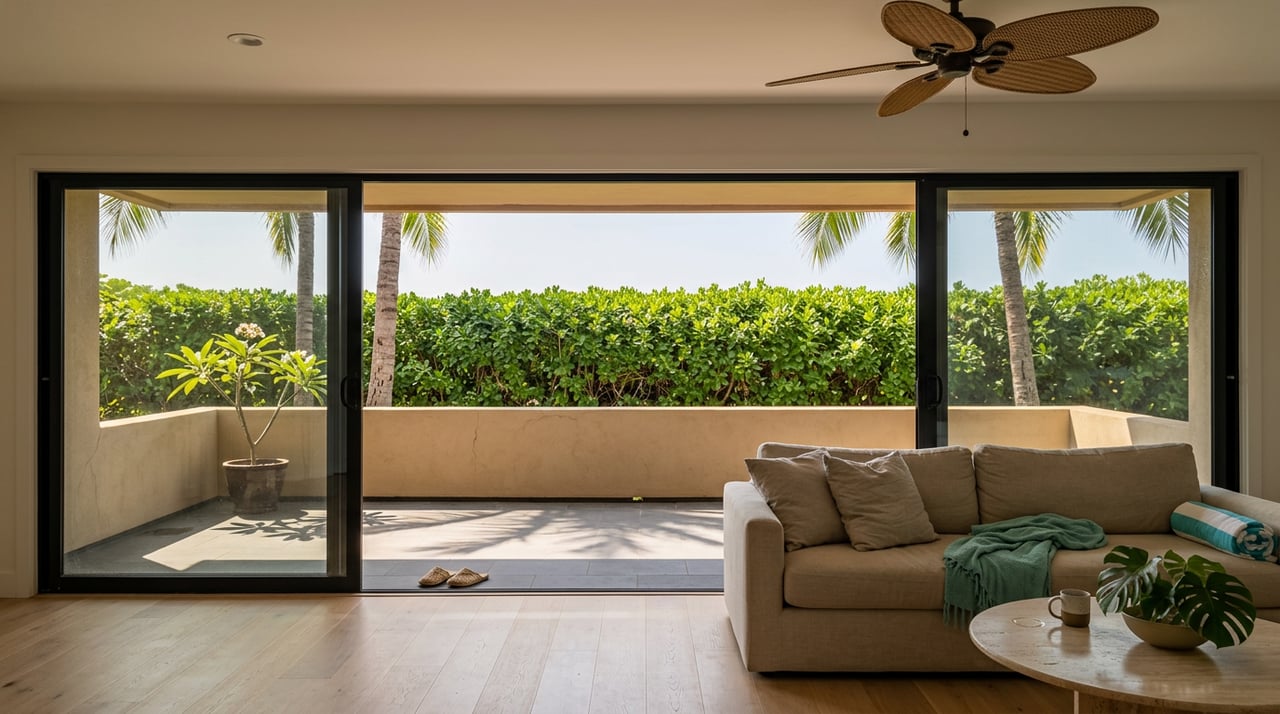
Walk down South Kihei Road and you can find two one-bedroom condos listed within a few hundred dollars of each other. One sits inside a building that is hotel-zoned. The other sits inside a building on the Minatoya List. On the portal, they look like siblings. In 2026, they are not the same asset, and the gap between them is the single most important thing a buyer in Kihei needs to understand before writing an offer.
That is the argument of this post. Median condo prices in Kihei now blend two products with fundamentally different income lives. Reading the median without reading the zoning is how buyers overpay, underinsure, and get surprised at the closing table.
The split that listing photos won't show you
Kihei has long been the densest concentration of vacation-rental condos in South Maui. Over 60% of the vacation rental condos in Kihei are on the Minatoya List. That list is the county's inventory of apartment-zoned buildings that were allowed to operate as short-term rentals under a decades-old legal interpretation.
Bill 9, now codified as Ordinance No. 5909, was signed into law on December 15, 2025, and it targets apartment-zoned condos, specifically those on the Minatoya List, that have historically operated as short-term vacation rentals. For Kihei, the deadline that matters is the South Maui one. Short-term rental use in affected properties must stop after December 31, 2030, effective January 1, 2031.
So the split is now legally defined:
| Hotel-zoned Kihei condo | Apartment-zoned Minatoya condo | |
|---|---|---|
| Legal short-term rental after Jan 1, 2031 | Yes | No |
| Rental runway from mid-2026 | Indefinite | About 4.5 years |
| Post-2030 use | STR, long-term, or owner | Long-term rental or owner |
| Financing profile | Investor-friendly | Tightening |
| Example Kihei complexes | Kihei Akahi | Kihei Resort, Maui Banyan |
The example row matters. A unit like Kihei Akahi C407 sits in a hotel-zoned community that legally allows short-term rentals in perpetuity under current law. A comparable unit inside a Minatoya building across the street has a cash-flow expiration date printed on it by ordinance.
What Bill 9 is, and what it is not
Read carefully, because most portal descriptions blur this. The stated goal of Bill 9 is to increase long term housing availability for Maui residents by transitioning these units away from short term use. It is a rezoning of use, not a taking of title. Owners keep their condos. What changes is what those condos are permitted to do for income.
Two facts a Kihei buyer should hold at the same time:
- As of May 29, 2024, 6,208 Minatoya-listed units were actively operating as short-term rentals, according to the Department of Finance.
- Long-term residential use is already permitted in apartment districts and does not require rezoning.
That second point is where the story turns. A Minatoya condo does not become worthless on January 1, 2031. It becomes a long-term rental, a second home, or an owner-occupied residence. The question for a buyer today is which of those futures they can afford, because the pricing math for a $4,500-per-week vacation unit is very different from the pricing math for a $2,800-per-month long-term rental in the same building.
The rescue pathway that probably isn't coming
For most of 2025, sellers held on to the hope that a new H-3 and H-4 hotel zoning category would give Minatoya buildings a legal path to keep operating. That hope is thinner now.
Many owners have been watching the proposed H-3 and H-4 hotel zoning categories as a potential lifeline for apartment-zoned buildings. The Maui Planning Commission recently voted against recommending these new zoning districts in March 2026. While the County Council still has the final say, this vote makes a blanket rezoning fix much less likely.
The council has not closed the door, but the political direction is clear. Commissioners said the community has for years clearly stated its desire for fewer transient vacation rentals and more long-term housing, with one commissioner describing the rescue bill as a way to undermine Bill 9.
Litigation is the other open lane. On Dec. 22, a second lawsuit, Lynam v. County of Maui, was filed in 2nd Circuit Court seeking class-action status to represent all 7,000 Minatoya List properties. Attorneys representing the plaintiffs argue the county's conduct amounts to an unconstitutional per se regulatory taking that denies owners viable economic use of their property. A serious buyer should assume the ordinance stands and price accordingly. If the courts intervene, that is upside. Buying on the assumption that they will is a plan, not an underwriting.
Where the friction actually shows up in a Kihei transaction
This is the part most guides skip. The phase-out is years away, but the closing table is not.
Financing. Investor loans on apartment-zoned Kihei condos are getting harder to structure. Lenders often evaluate expected income when underwriting loans on condos targeted for investment. With future rental conversion uncertainty, some lenders tighten underwriting or require larger down payments. This can further suppress buyer demand in affected inventory segments. Two buyers writing offers on twin one-bedrooms can end up with meaningfully different rate quotes based only on zoning.
AOAO reserves and rules. A building that ran as a de facto hotel for thirty years does not become a quiet residential condo overnight. As units shift from nightly turnover to twelve-month leases, front-desk staffing, cleaning contracts, elevator wear, and pool use patterns all change. Reserve studies written under the old assumption are due for revision. Ask for the most recent one, and ask when the next is scheduled.
Insurance. STR policies and long-term landlord policies are different products at different prices. A building midway through the transition can carry a mismatched master policy while individual owners quietly change their coverage. Reading the master policy declarations page is not optional for a Kihei condo purchase in 2026.
Property taxes. The county estimates losing $65 million in property taxes and $50 million in other tax revenue annually once the phase-out is complete. That revenue does not disappear from the county's needs. It has to come from somewhere, and classification changes at the parcel level are worth watching for anyone buying with a long hold in mind.
Softening in the affected tier. Condo properties on the Minatoya List and similar apartment-zoned units have experienced softening demand because their income stream tied to vacation rentals is facing eventual sunset. Some early data suggest price adjustments in certain complexes as buyers recalibrate return assumptions. Even if amortization dates are years away, the forward-looking nature of real estate markets means buyers discount expected future value today. That discount is not evenly distributed. It shows up in the buildings that priced most of their value into nightly rate potential.
How to underwrite a Kihei condo in 2026
A useful checklist for anyone comparing units this summer:
- Confirm the zoning at the parcel level, not the building brochure level. The county's TMK-organized list is authoritative, and the Maui County announcement of Bill 9 is a fair starting point for the rules.
- Ask the listing agent to state, in writing, whether the unit is on the Minatoya List and what the AOAO's current position is on the phase-out.
- If STR income is part of the plan, model two scenarios: full STR income through 2030, then a long-term lease from 2031. Take the blended IRR seriously.
- If you plan to live in the unit, the phase-out may actually improve your quality of life inside the building. Quieter hallways, more neighbors, fewer rolling suitcases at 2 a.m. That is a legitimate value.
- Look at hotel-zoned inventory in Kihei and adjacent Wailea as the comparison set for any investor pro forma. Complexes like Wailea Ekahi and Wailea Beach Villas will define the ceiling for legal-STR pricing in South Maui.
The thesis, one more time: the Kihei condo market is now two markets sharing a zip code. The listing portals do not draw the line for you. The ordinance does.
FAQ
Does Bill 9 affect my Kihei single-family home? No. The law does not affect hotel-zoned resorts, timeshares, legally permitted STRs outside of apartment zoning, or single-family homes with existing vacation rental approvals. Bill 9 is specifically an apartment-zoning ordinance.
Can a Minatoya condo still be a good purchase? Yes, if the price reflects the runway and your plan does not depend on STR income past 2030. Owner-occupants and long-term-rental investors often find Minatoya buildings priced more reasonably than their hotel-zoned neighbors.
What happens between now and January 1, 2031? If a Maui condo depends on apartment zoning and historic transient rights, its ability to rent short-term is being phased out. The law establishes a staggered amortization period that allows affected units to continue operating as Transient Vacation Rentals for a fixed period, enabling owners to adjust their investment strategies. For South Maui, that fixed period runs through the end of 2030.
Is the lawsuit likely to change any of this? Unknown. Precedent from similar STR fights on other islands cuts both ways, and the Lynam case is early. Underwrite to the ordinance as written and treat a court reversal as upside, not baseline.
If you are weighing a Kihei condo this year and want a second read on the zoning, the AOAO documents, and the pro forma before you write an offer, Rai Morimoto is happy to sit down with you and walk it through, line by line. Let's Connect.